Airspace

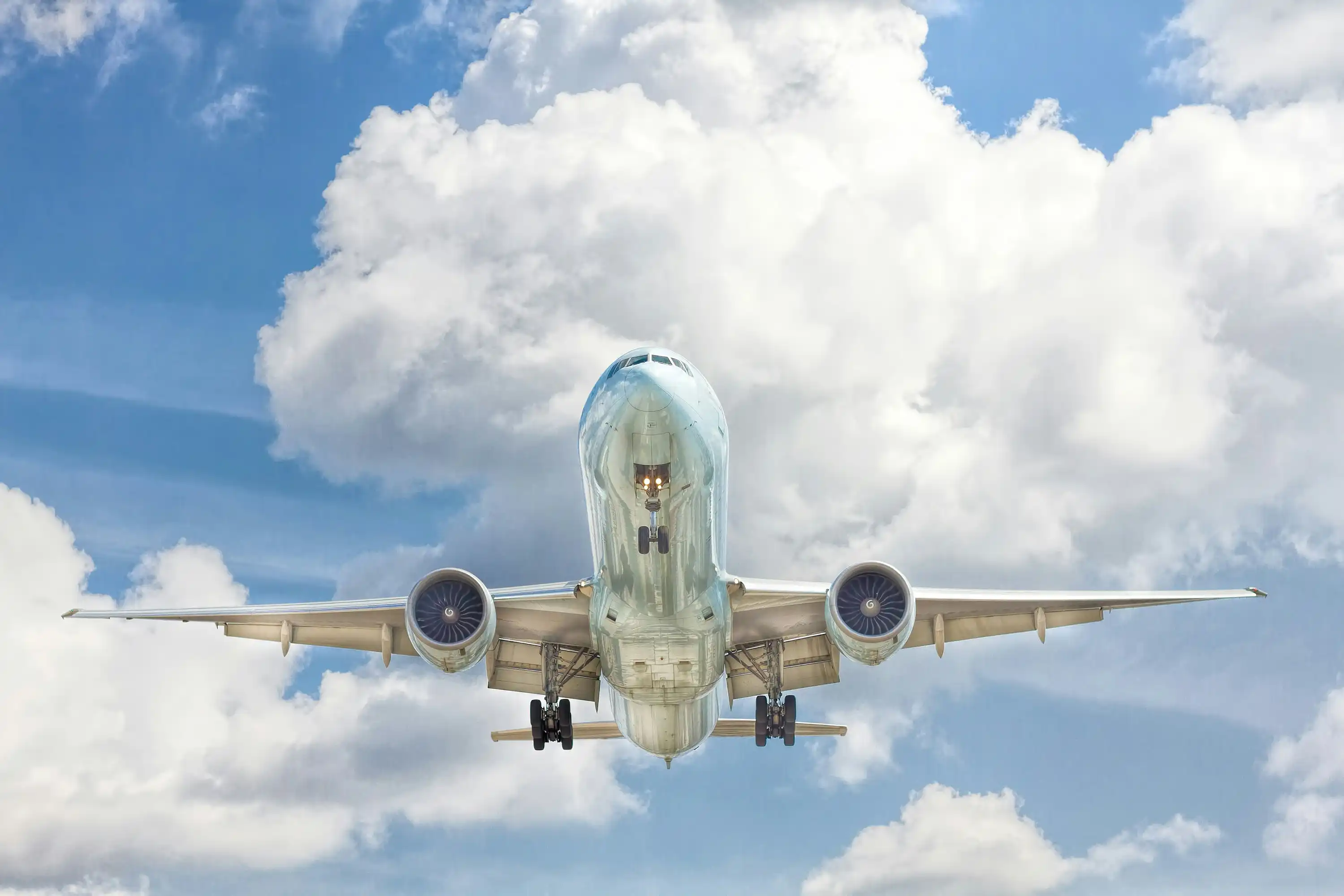
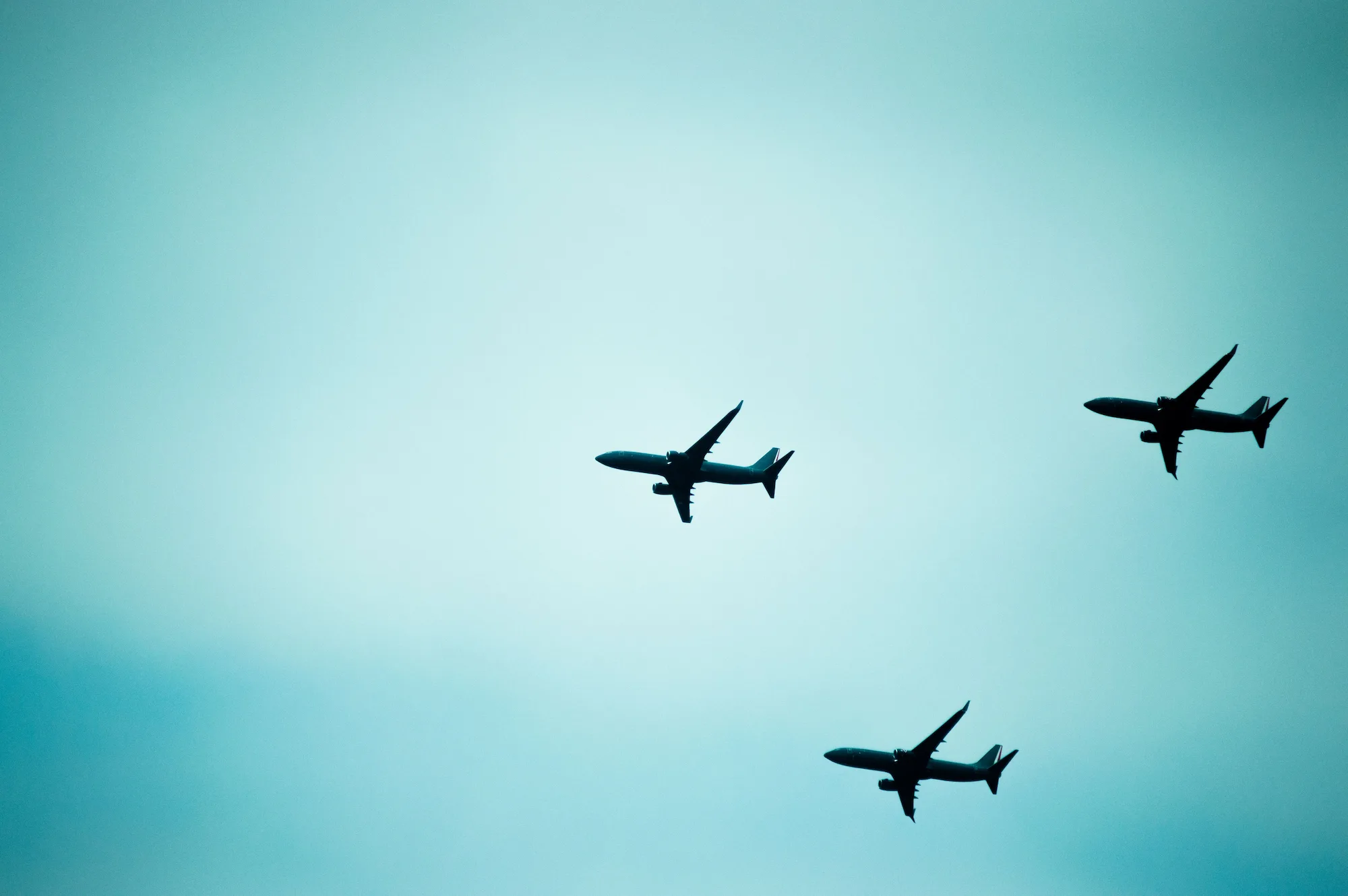
Fragmented airspace costs Europe billions every year in avoidable delays, fuel burn and emissions.
Europe's airspace is one of the most complex and congested in the world — and one of the least efficient. Air traffic control (ATC) capacity has not kept pace with the society's demand for flying, leading to delays that cost passengers time, money and unnecessary CO2 emissions. Recurring ATC strikes make an already difficult situation worse, piling additional disruption on top of existing capacity problems. Airlines pay ATC charges for a service and fully fund air traffic controllers and technology investments, forming part of the cost of flying for passengers. A Single European Sky must deliver real, measurable improvements in capacity, route efficiency and cost.
A4E calls for clear and measurable targets for air traffic control performance, fairer funding models that ensure all airspace users contribute to the costs of the services they benefit from, and capacity planning that ensures a safe, efficient and orderly flow of air traffic aligned to actual passenger demand.
Continued investment in SESAR — the EU's air traffic management modernisation programme — and harmonised technology deployment is essential to making European airspace fit for the future.

Replace with verified A4E data.

Replace with verified A4E data.
Replace with verified A4E data.
Replace with verified A4E data.